Games are turning into a mood dial
2PK8K
· gaming · esports · youtube · attention economy · wellness · streaming · csgo
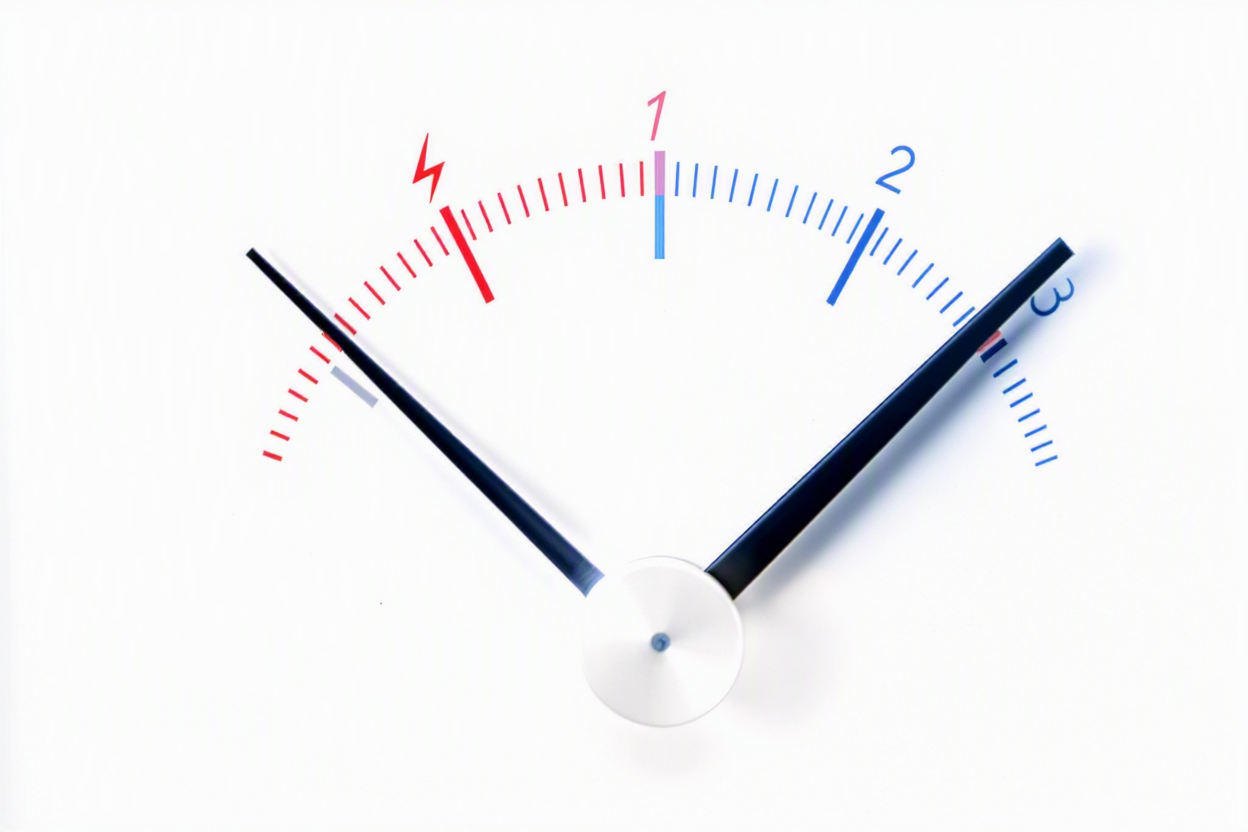
Open YouTube’s gaming charts right now and you’ll see two videos that seem to belong to different species of entertainment. One shows IEM Cologne, a Counter-Strike tournament, pulling 4.3 million views and a million concurrent players on Steam, all screaming reflexes and split-second reads. A few slots down sits a video called “Fall asleep while I build a zoo,” quietly racking up 2.4 million views of its own.
Same platform. Same week. Opposite jobs.
One video exists to spike a viewer’s heart rate. The other exists to slow it down. That’s not a coincidence of the algorithm; it’s a sign that gaming content has split into two attention modes that used to live in separate genres and now sit side by side in the same feed.
From play to regulation
For most of gaming’s history, the pitch was simple: play is stimulation. You turn on a game to feel something, usually excitement, challenge, or competition. CS:GO fits that mold perfectly. Esports asks players and viewers to lean in, track fast-moving threats, and ride a wave of adrenaline for the length of a match.
But the zoo-building sleep video isn’t chasing that feeling at all. It’s built for the opposite state: low stakes, repetitive motion, a voice that never raises. People aren’t watching it to get excited. They’re using it to wind down, the same way someone might play white noise or a rain track before bed.
Put those two side by side and a pattern shows up: viewers are treating games as a dial they can turn in either direction, not just a lever they pull for excitement. A player picks up a controller to spike focus before a shift, or presses play on a sleepy build video to talk their nervous system down after a hard day.
Why this matters for creators and platforms
This reframes what “gaming content” even means. A tournament stream and an ambient building video look nothing alike, use different pacing, and probably attract different audiences at different hours. But they’re serving the same underlying need: helping someone manage their internal state, just at opposite ends of the arousal spectrum.
For creators, this is a signal worth testing rather than a proven formula. A studio or streamer built around high-intensity competition might have real headroom in a slower, ambient format, and vice versa, without diluting either brand. For platforms, it suggests recommendation systems should think less about genre and more about the emotional job a video is doing for the viewer in that moment.
What we don’t know yet is how durable this split is, or whether it’s specific to games versus part of a broader shift in how people use video generally. But the numbers from this one week are hard to ignore: two videos, one platform, two nervous systems being managed in completely opposite directions.