Everyone Is Rechecking The Past
RSVMN
· culture · media · nostalgia · film · books · youtube · memory
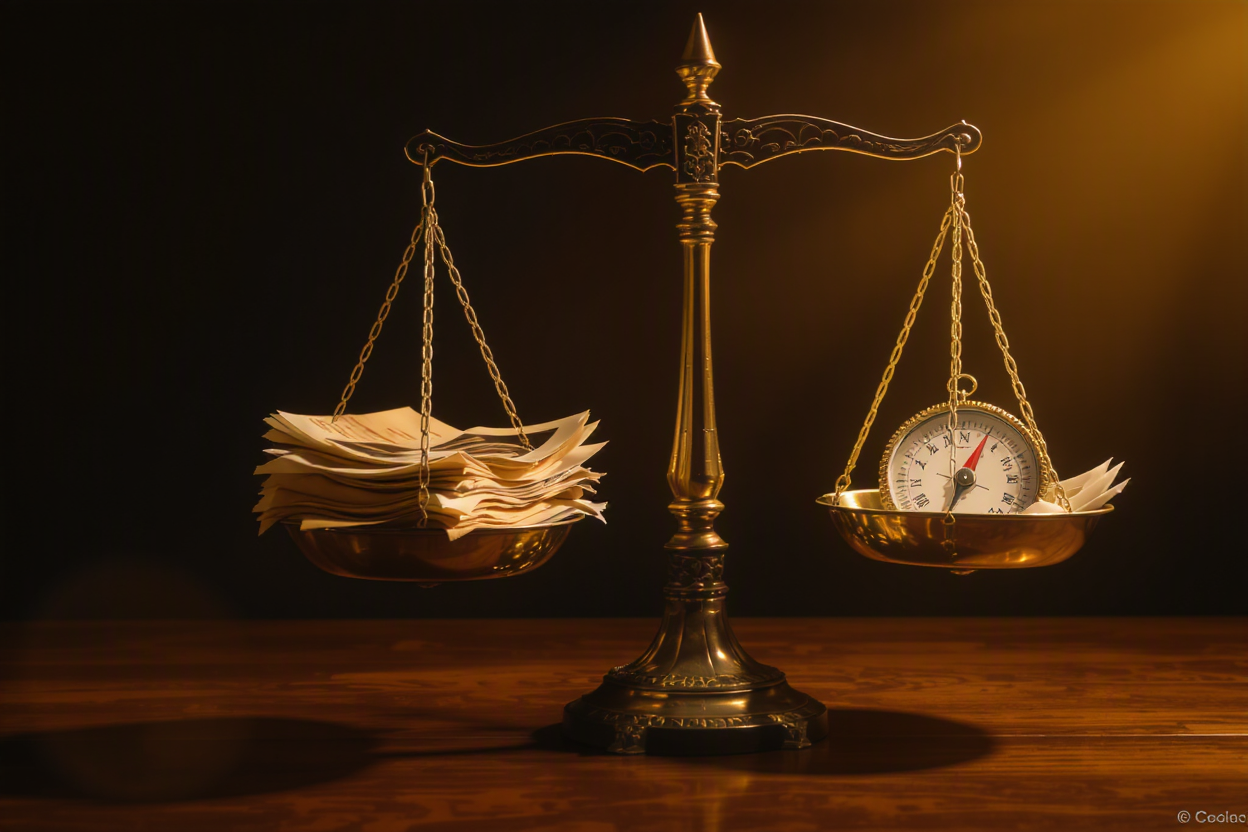
Audiences are turning backward with a sharper question than nostalgia usually carries. They seem to want to know what really happened.
You can see the pattern across formats at once. A Michael Jackson biopic is trending at #2 on TMDb, YouTube has a Tom Cruise career retrospective trailer at #3, and the New York Times nonfiction list has four top books built around looking back: David Sedaris on time passing, Katie Burden retracing a marriage, Joe Biden writing a memoir, and Patrick Radden Keefe investigating a death from the past.
That mix points to what I’d call retrospective evaluation: people revisiting public lives, private histories, and old events so they can make a fresh judgment. When people feel nostalgic, they usually return to the past for comfort. In this wave, people return to the past with a highlighter, a question mark, and maybe a little suspicion.
That distinction matters because these projects do commercial work across film, YouTube, and books at the same time. Viewers are not only rewarding one celebrity story or one memoir. Readers and viewers appear to be rewarding a broader act: re-opening the file.
Part of this may come from fatigue with the future. When people feel overloaded by predictions, launches, crises, and next-big-thing language, the past can feel like the only place where the evidence has stopped moving. A biography, a retrospective trailer, or an investigative book gives people a bounded story. Someone can rewind, compare, reassess, and decide what the story means now.
The interesting part is that the past keeps changing because people keep changing. A public figure looks different after new scandals, new politics, or new grief. A marriage looks different after distance. A death looks different after someone gathers facts with care. People do not need time machines to revise the past; they need new context.
This wave suggests that audiences are not simply escaping into memory. They are processing. They are asking which stories still hold up, which ones were misunderstood, and which ones deserve a second trial.